
Whoa!
Okay, so check this out—DeFi on Solana moves fast. It feels different than Ethereum. Transactions are tiny and almost instantaneous, which is oddly freeing when you’re used to waits and high gas fees. At first glance Phantom is just a slick little wallet extension, but it’s actually become the front door for a whole ecosystem of apps and NFTs that live on Solana, and that matters more than you might expect because access is everything in crypto.
Seriously?
My instinct said the UX would be all flash and no depth. I was wrong. Phantom nails the basics: key management, token lists, and a clean signing flow. Initially I thought it would be finicky, but then I installed it and the onboarding surprised me with clarity and concise prompts—no fluff, no overbearing jargon—so I kept using it.
Hmm…
Here’s what bugs me about wallets in general. Some of them pretend security is simple. They slap on phrases and call it done. Phantom tries harder, though—there are clear warnings for seed phrases, and the extension isolates approvals so you can see which DApp is asking for access. On the other hand, you still need to be vigilant because phishing is clever and always evolving, and this is where practical habits beat features every time.
Really?
Okay, practical habits first. Back up your seed phrase offline. Use a hardware wallet for large sums. Double-check domains before you connect. Don’t paste your phrase into any site. I know, old advice, but very very important. If you want to dabble, keep a small hot wallet balance; the rest goes cold or hardware.
Whoa!
Phantom as a browser extension fits into that routine. It sits in Chrome or Brave or any Chromium-based browser, and it acts like your proxy to Solana apps. When a DApp asks to connect, Phantom shows the permissions and the account, and you can accept or reject with a single click. The flow is quick, and transactions are confirmed in seconds, though sometimes network congestion can briefly slow things down—Solana isn’t perfectly smooth all the time.
Really?
Let me get a bit technical. Phantom signs transactions locally in the extension using the account’s private key. This means private keys never leave your device. That is a good baseline for security. However, browser extensions inherently have a larger attack surface than hardware wallets, so the best practice is obvious: limit exposure for big holdings and use hardware for long-term storage. On the flipside, extensions are superb for daily DeFi use because they are fast and integrated.
Whoa!
One small feature I love is the token swap built in. You can swap SPL tokens without leaving the extension. Fees are low, slippage is manageable, and the interface is forgiving. It saves time. That said, the liquidity depth varies between pools, so sometimes the price you get isn’t optimal if you don’t check route and slippage settings. My recommendation: for small trades, use Phantom swaps; for larger trades, compare DEX routes externally.
Hmm…
Staking is another angle. Phantom supports staking SOL to validators directly, which reduces friction for users who want to earn yield while supporting network security. The process is a few clicks. You pick a validator and delegate; the UI shows estimated rewards and unbonding periods. Initially I worried delegation choices would be opaque, but Phantom provides details about validators, stake history, and performance metrics, so you’re not flying blind.
Really?
There are caveats. Validator selection matters. Some validators charge higher commission or have low uptime. On one hand, you might just want a conservative, big-name validator; though actually, smaller reliable validators sometimes offer better returns and help decentralize the network. So balance your personal risk tolerance with network health goals—I’m biased, but decentralization matters a lot to me.
Whoa!
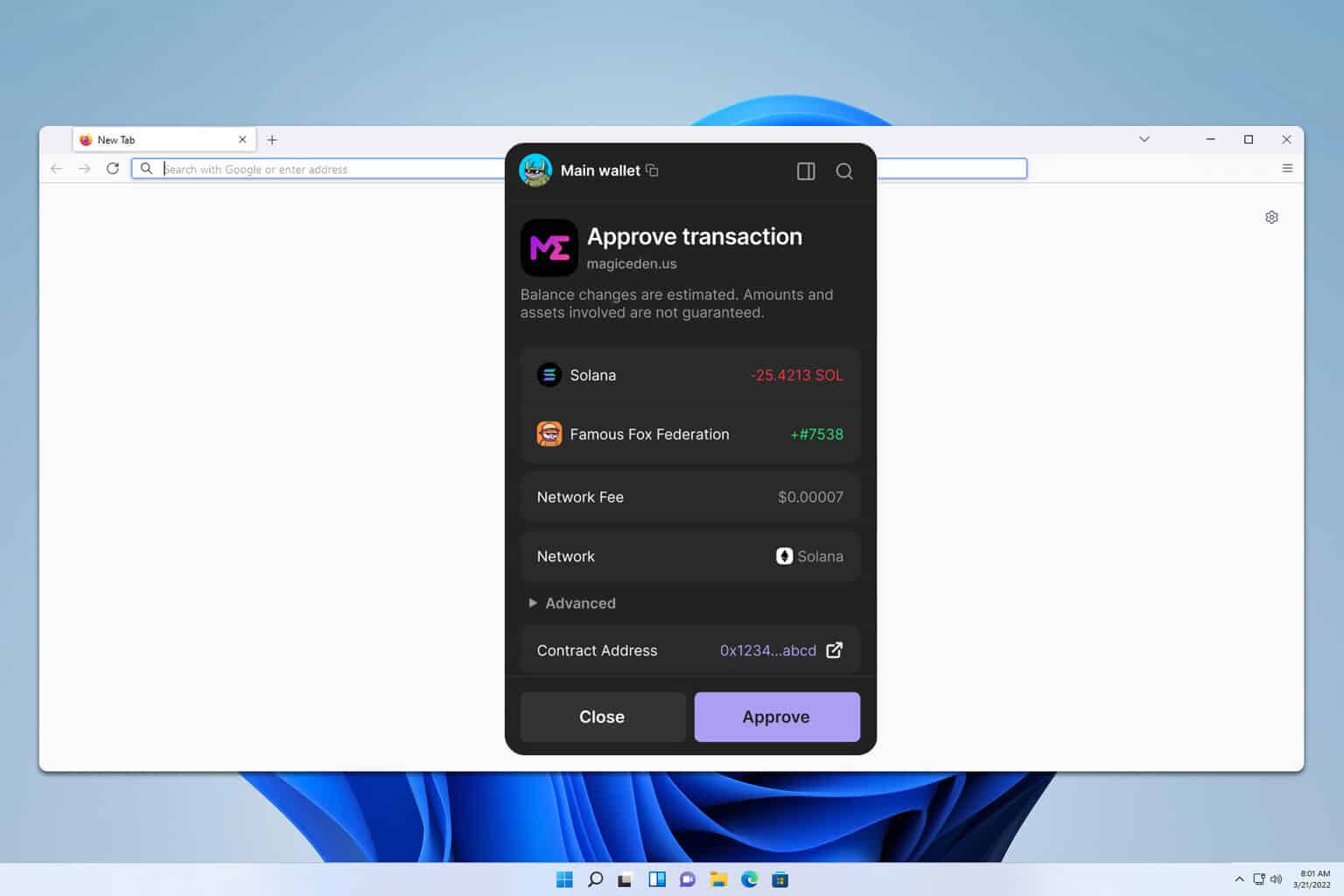
Phantom also handles NFTs in a pretty human way. Drag-and-drop NFT viewing isn’t necessary, but the gallery makes browsing your collection simple. When an NFT marketplace asks you to sign a listing or sale, the extension shows the exact transaction details so you can confirm the sale price and the destination. That transparency is crucial because NFT contracts can be weird, and approvals can be permissioned for long times unless you clear them.
Seriously?
Approvals are an under-discussed risk. Many users approve infinite allowances without thinking. Phantom is better than most at surfacing approval requests, but you still need to tidy up approvals periodically. There are tools and sites that help you revoke allowances, but be careful which third-party tools you use—some are themselves malicious in disguise. Do a little research before granting control again.
Whoa!
Installation is straightforward. Click, install, create a wallet or restore an existing one with your seed phrase, set a password, and you’re mostly set. If you want to get it, go to the official source and avoid random links. For convenience, the recommended installer can be found here: phantom wallet download extension. Use that as a starting point, though always double-check the URL in your browser bar—phishing clones are persistent.
Typical Use Cases and When to Reach for Phantom
Short trades, NFT browsing, and app testing. Phantom is built for those flows and makes them painless. For devs testing contracts, it’s indispensable because it supports localnet and devnet connections too, which speeds up iteration. For everyday DeFi users, its swap and staking tools minimize friction, and for NFT collectors the visual gallery is lovely. That said, law of tradeoffs applies: convenience trades off some security compared to hardware solutions.
On one hand, Phantom is excellent at reducing friction. On the other hand, it won’t replace hardware wallets for custody of large holdings. Initially I thought that the extension could be the only thing most users needed, but then I realized that user behavior and threat models vary widely—so a hybrid approach (extension for small amounts, hardware for large) is smarter.
Something felt off about trusting any one interface entirely.
So I keep somethin’ in cold storage and use Phantom for the rest. It’s a compromise that feels practical and real; not perfect, but pragmatic. By the way, if you ever lose access to your browser profile, remember the seed phrase—file it offline in multiple secure locations.
Security Checklist — Quick but Useful
Write your seed phrase on paper and store it in two separate secure places. Consider a hardware wallet for large sums. Review DApp permissions regularly. Revoke approvals when done. Inspect transaction details before signing—no autopilot. Use a password manager for your extension password. Stay aware of clipboard and phishing attacks; never paste your seed phrase into a website. These steps sound basic, but they prevent the majority of common losses.
FAQ
Is Phantom safe to use as my main wallet?
Yes for everyday use, but not for custody of large sums without hardware backup. Extensions are secure for typical activity because keys are local, but they are still software on your browser so they carry more risk than a hardware device. A layered approach is best—hot wallet for daily interaction and hardware or cold for the rest.
Can I use Phantom with hardware wallets?
Yes. Phantom supports ledger devices, letting you combine the convenience of the extension with the stronger security of hardware signing for high-value transactions. This is a great middle ground—transactions still show up in the extension UI, but signing happens on the hardware device, which reduces key exposure significantly.
What if I suspect a phishing attempt?
Disconnect the DApp immediately. Revoke the connection in Phantom’s settings. Move funds to a new wallet if you think keys were compromised. And report the phishing site. I’m not 100% sure you’ll get everything back, but quick containment reduces damage, so act fast and think clearly—panic makes people skip steps they shouldn’t.